Hair Care and Professional Hair Styling
Hair is an important part of personal appearance and self-expression. Healthy, well-maintained hair can enhance confidence and create a polished look. Professional hair care goes beyond simple washing and styling; it includes understanding hair types, textures, scalp conditions, cutting techniques, styling methods, coloring, and chemical treatments. With proper knowledge and regular care, hair can look healthier, stronger, and more manageable.
Importance of Hair Care
A good hair-care routine helps maintain the natural strength and appearance of the hair. Regular cleansing removes dirt, excess oil, and product buildup, while conditioning helps improve softness and manageability. Choosing products according to your hair type is also important because dry, oily, curly, straight, and chemically treated hair may require different types of care.
Regular trimming can help maintain the shape of a hairstyle and reduce the appearance of split ends. In addition, protecting hair from excessive heat and using suitable styling products can help minimize unnecessary damage.
Professional Hair Styling
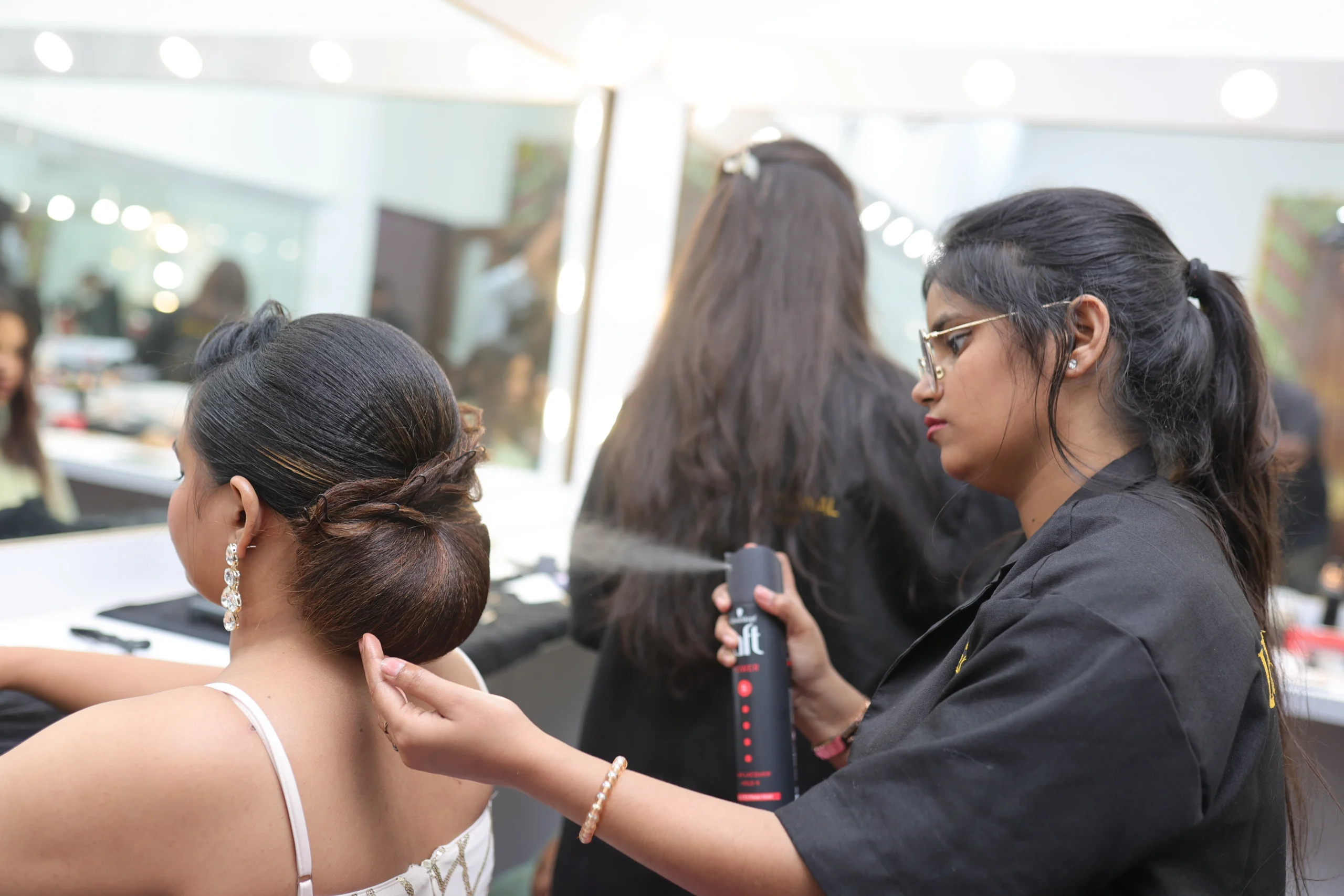
Hair styling is a creative field that includes various techniques for creating attractive looks for different occasions. Professional hairstylists can create everyday hairstyles, party looks, bridal hairstyles, formal styles, and fashion-inspired designs.
Popular styling services include blow-drying, straightening, curling, braiding, updos, and other finishing techniques. Understanding face shape, hair texture, length, and personal preferences allows a hairstylist to create a customized look for each client.
Hair Cutting and Coloring
Hair cutting is one of the fundamental skills in professional hairstyling. Different cutting techniques can be used to create layers, texture, volume, and shape. A skilled hairstylist considers the client’s face shape, hair type, lifestyle, and preferred appearance before selecting a suitable haircut.
Hair coloring is another popular service that allows people to change or enhance their appearance. Professional coloring may include global color, highlights, lowlights, balayage-inspired techniques, and color correction. Proper hair analysis and product selection are important before performing chemical services.
Chemical Hair Treatments
Chemical treatments can change the texture, appearance, or manageability of hair. Services may include smoothing, straightening, coloring, and other specialized treatments. These services require professional knowledge because different hair types and previous chemical treatments can affect the final result.
Proper consultation, product selection, application, processing, and aftercare are essential for responsible professional hair services.
Building a Career in Hair
Hairdressing and hairstyling offer numerous career opportunities in salons, beauty studios, spas, fashion, weddings, photography, and freelance services. Individuals can specialize in areas such as hair cutting, styling, coloring, bridal hairstyling, or chemical treatments.
Professional training and regular practice can help aspiring hairstylists improve their technical skills, creativity, communication, and confidence. With dedication and continuous learning, hair professionals can build a rewarding career in the beauty industry.
Conclusion
Hair care and styling combine beauty, creativity, and technical expertise. From basic hair maintenance to advanced cutting, coloring, styling, and chemical treatments, professional hair services can transform a person’s overall appearance. Developing proper knowledge and practical skills is therefore an important step for anyone interested in pursuing a career in the professional hair and beauty industry.