
Hair Chemical Course: Understanding Perms, Relaxers & Color Chemistry
The hair industry has evolved far beyond basic cutting and styling. Today, clients demand advanced services like hair coloring, rebonding, smoothening, and texture transformations. To deliver these services safely and professionally, enrolling in a hair chemical course is essential. This type of training focuses on the science behind hair treatments, helping stylists understand how chemical processes work and how to apply them effectively.
A professional hair chemical course not only improves your technical skills but also builds your confidence in handling complex treatments. Whether you are a beginner or an experienced stylist, learning chemical processes can significantly boost your career and earning potential.
What is a Hair Chemical Course
A hair chemical course is a specialized training program that teaches the science and application of chemical treatments used in hairstyling. These treatments include hair coloring, perming, relaxing, and other texture-altering services.
The course begins with understanding hair structure, including the cuticle, cortex, and bonds within the hair. This knowledge is essential for performing chemical treatments safely.
As you progress in a hair chemical course, you learn how different chemicals interact with hair and how to choose the right products based on hair type and condition. This helps in achieving better results while minimizing damage.
Understanding Hair Color Course and Color Chemistry
A hair color course is a major component of a hair chemical course. Hair coloring is one of the most popular services in salons, and mastering it requires both technical knowledge and creativity.
In this training, you learn color theory, including primary, secondary, and complementary colors. This helps you create the desired shades and correct unwanted tones.
A hair color course also teaches techniques like highlights, balayage, global coloring, and color correction. Understanding color chemistry allows you to predict results and avoid mistakes.
Learning how to mix and apply colors correctly ensures consistent and professional outcomes for clients.
Perms and Texture Transformation Techniques
Perming is an important part of a hair chemical course, focusing on changing the natural texture of hair. This process involves breaking and reforming hair bonds to create curls or waves.
In a professional training program, you learn different types of perms, including digital perms and cold perms. You also understand how to choose the right technique based on hair type.
A hair chemical course teaches you how to control the strength and duration of the treatment to achieve the desired results without damaging the hair.
Understanding perming techniques allows you to offer customized services to clients.
Hair Relaxers and Smoothening Treatments
Hair relaxing is another key topic covered in a hair chemical course. This process is used to straighten curly or wavy hair by altering its natural structure.
You learn how relaxers work, including the chemical reactions involved. This helps you apply the treatment safely and effectively.
Smoothening and rebonding techniques are also included, which are popular among clients looking for sleek and manageable hair.
A hair chemical course ensures that you understand the risks and precautions associated with these treatments, helping you avoid damage and achieve long-lasting results.
Role of Hair Treatment Course in Chemical Training
A hair treatment course complements chemical training by focusing on hair health and repair. Chemical treatments can sometimes cause damage, and understanding how to restore hair health is essential.
In a hair treatment course, you learn about deep conditioning, protein treatments, and scalp care. These treatments help maintain the strength and shine of hair.
Combining a hair chemical course with a hair treatment course allows you to provide complete care to your clients, ensuring both style and health.
This combination makes you a more skilled and versatile professional.
Advanced Hair Cut and Chemical Services
An advanced hair cut is closely related to chemical treatments. After processes like coloring or perming, the right haircut enhances the overall look.
In a professional hair chemical course, you learn how to combine chemical services with cutting techniques. This helps in creating balanced and stylish results.
Understanding hair condition after chemical treatments is important for choosing the right cutting technique. This ensures that the final look is both healthy and attractive.
Combining advanced hair cut skills with chemical knowledge increases your value as a stylist.
Practical Training in Hair Chemical Course
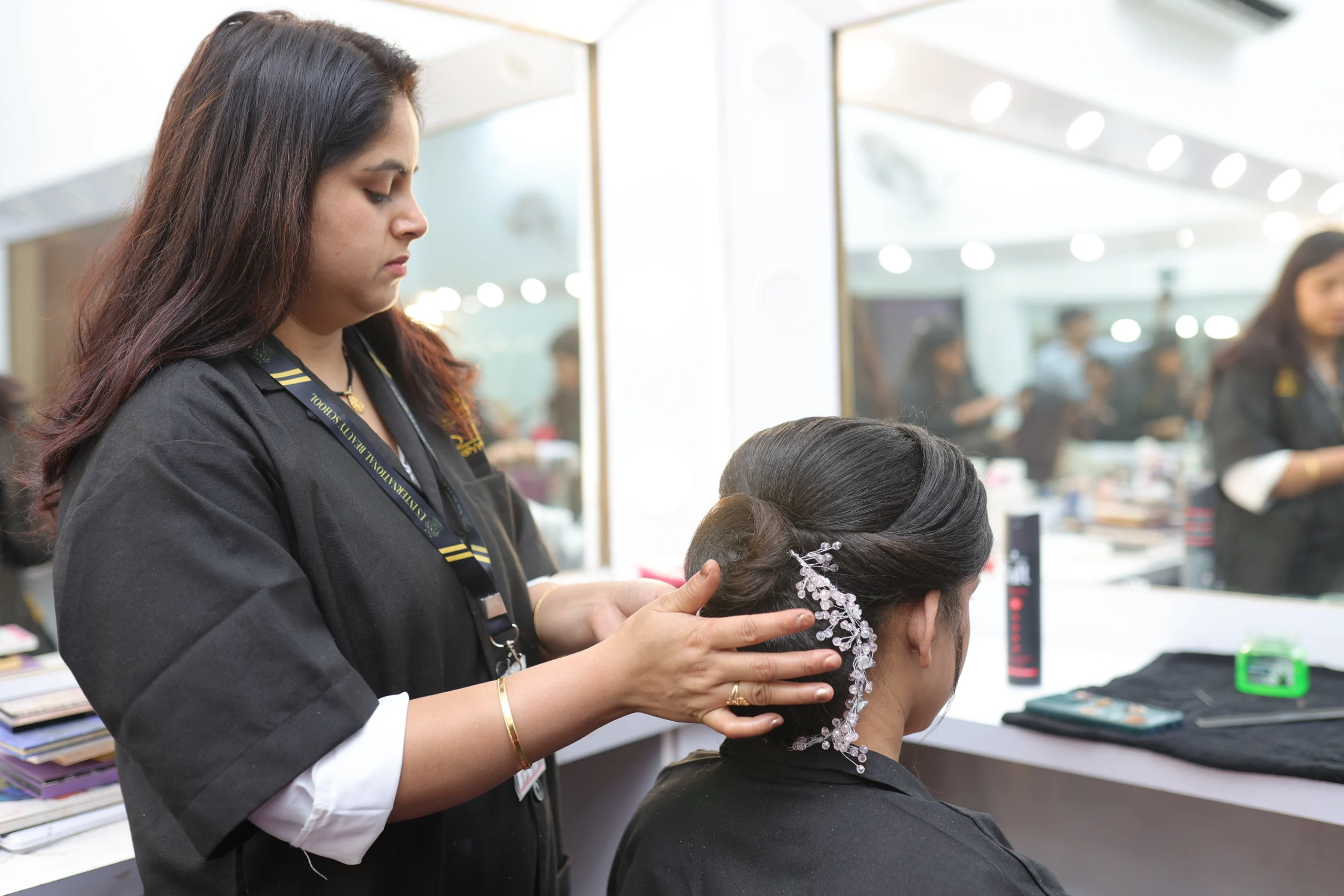
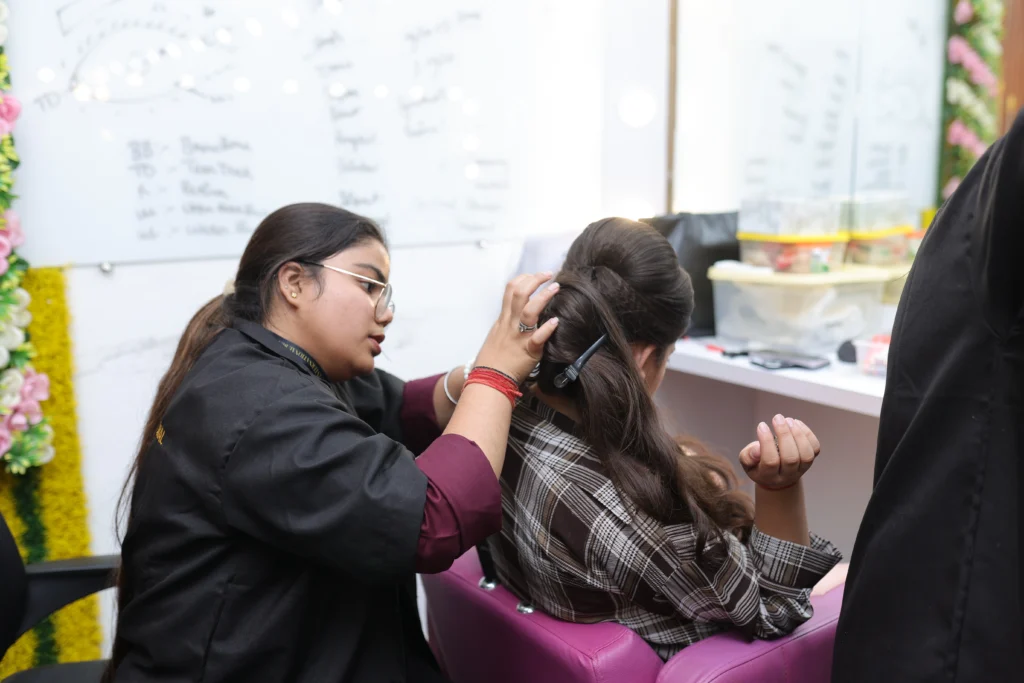
Practical training is a crucial part of a hair chemical course. Working on live models helps you understand how different hair types react to chemicals.
You learn how to apply treatments step by step, monitor the process, and achieve desired results. This hands-on experience builds confidence and improves your skills.
Practical sessions also teach you how to handle client concerns and provide personalized solutions.
Choosing a course with strong practical training ensures that you are ready for real-world work.
Career Opportunities After Hair Chemical Course
Completing a hair chemical course opens up multiple career opportunities. You can work in salons as a hair specialist, focusing on coloring and chemical treatments.
Freelancing is another option, where you provide personalized services to clients. This allows you to earn independently.
Starting your own salon or hair clinic is also a great opportunity. With advanced skills, you can attract more clients and offer premium services.
You can also specialize in areas like color correction or advanced treatments, which have high demand and earning potential.
With experience, you can become a trainer and teach chemical techniques to aspiring stylists.
Cost and Duration of Hair Chemical Course
The cost of a hair chemical course depends on the institute, course level, and duration. Basic courses are generally affordable, while advanced programs may cost more due to detailed training.
The duration can range from a few weeks to several months. Short-term courses focus on basic techniques, while long-term programs provide in-depth knowledge and practical experience.
Investing in a good course is important because it directly impacts your skills and career growth.
Why Hair Chemical Courses Are Trending in 2026
The demand for hair chemical course training has increased significantly in 2026 due to the growing popularity of advanced hair treatments.
Clients are more interested in services like coloring, smoothening, and texture transformation. This has created a need for skilled professionals.
Social media has also played a role in promoting hair trends, increasing demand for advanced techniques.
The beauty industry continues to expand, making chemical training an essential skill for modern stylists.
Conclusion
Enrolling in a hair chemical course is a crucial step for anyone who wants to excel in the hair and beauty industry. It provides the knowledge and skills needed to perform advanced treatments safely and effectively.
By combining a hair color course, hair treatment course, and advanced hair cut techniques, you can become a complete hair professional. This not only increases your earning potential but also helps you stand out in a competitive market.
With the growing demand for advanced hair services, now is the perfect time to invest in your skills and build a successful career.