

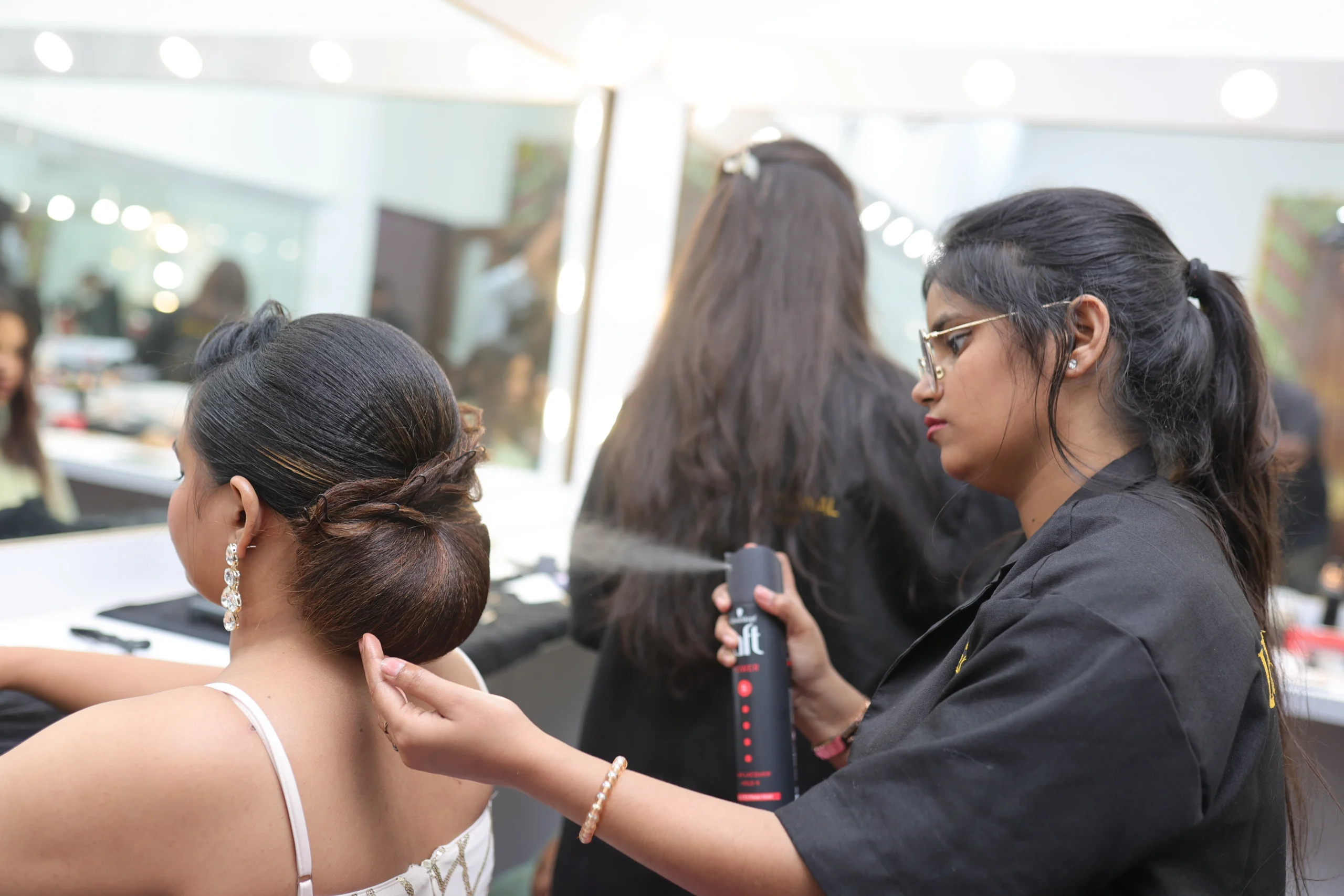
Hairstyle Freelancing: How to Go from Beauty School to Running Your Own Chair
The beauty industry has evolved beyond traditional salon jobs, and one of the most flexible and rewarding career paths today is hairstyle freelancing. Many aspiring stylists are now choosing independence over fixed employment, building their own client base, and creating a personal brand. If you have completed or are planning to enroll in hair styling classes, understanding how to transition into freelancing is the next big step.
Starting hairstyle freelancing allows you to take control of your career, earnings, and schedule. However, moving from beauty school to running your own chair requires more than just technical skills. It involves planning, marketing, client management, and continuous learning.
What is Hairstyle Freelancing
Hairstyle freelancing refers to working independently as a hairstylist without being tied to a single salon. Freelancers offer services at clients’ homes, events, or even rent a chair in a salon.
This career path provides flexibility and creative freedom. You can choose your clients, set your pricing, and decide your working hours.
Many professionals start hairstyle freelancing after completing a hair styling course, as it allows them to apply their skills in real-world situations and build a strong portfolio.
Importance of Hair Styling Classes for Freelancing
Enrolling in hair styling classes is the foundation of a successful hairstyle freelancing career. These classes teach essential skills like haircutting, styling, and finishing techniques.
A professional hair styling course also includes advanced techniques such as layering, texturizing, and modern styling trends. These skills help you meet diverse client demands.
Hair styling classes provide practical training, allowing you to work on real models. This builds confidence and prepares you for handling clients independently.
Certification from a recognized course adds credibility to your profile, making it easier to attract clients.
Transition from Beauty School to Freelancing
Moving from training to hairstyle freelancing requires careful planning. The first step is to build your portfolio. A strong portfolio showcases your work and helps you attract clients.
Social media plays a major role in this transition. Creating a professional profile and posting your work regularly helps you reach potential clients.
Networking is also important. Connecting with makeup artists, photographers, and event planners can help you get bookings.
Starting with small projects and gradually building your client base is the best approach. Consistency and quality work are key to success.
Role of Hairstyling Course in Career Growth
A professional hairstyling course is not just about learning techniques; it also prepares you for real-world challenges. It teaches you how to handle clients, manage time, and deliver professional services.
In a hairstyling course, you learn how to analyze hair types, recommend styles, and use tools effectively. These skills are essential for hairstyle freelancing.
Advanced courses also include modules on trends and client preferences, helping you stay updated in the industry.
Continuous learning and upgrading your skills are important for long-term success.
Building Your Client Base in Hairstyle Freelancing
One of the biggest challenges in hairstyle freelancing is building a client base. Initially, you may need to rely on friends, family, and referrals.
Social media marketing is one of the most effective ways to attract clients. Posting before-and-after images, videos, and testimonials helps build trust.
Offering introductory discounts or packages can also help you get your first clients.
Providing excellent service ensures that clients return and recommend you to others. Word-of-mouth marketing is powerful in the beauty industry.
Setting Up Your Freelance Hairstyling Business
Starting hairstyle freelancing requires some basic setup. You need professional tools such as scissors, dryers, styling tools, and quality products.
Maintaining hygiene and cleanliness is essential for building trust with clients. Using sanitized tools and clean equipment reflects professionalism.
You should also plan your pricing strategy. Setting competitive prices initially helps you attract clients, and you can increase rates as you gain experience.
Managing appointments and schedules is another important aspect. Staying organized ensures smooth operations.
Challenges in Hairstyle Freelancing
Like any career, hairstyle freelancing comes with challenges. Finding clients in the beginning can be difficult, but consistent marketing and networking can help overcome this.
Competition is another challenge. Standing out requires creativity, quality work, and excellent customer service.
Managing irregular income can also be a concern. Planning your finances and saving during busy periods can help you handle slow phases.
Continuous learning and adapting to trends are essential for staying relevant in the industry.
Career Growth and Future Opportunities
With experience, hairstyle freelancing offers numerous growth opportunities. You can specialize in areas like bridal hairstyling, editorial styling, or advanced hair treatments.
Starting your own salon or renting a permanent chair is another step forward. This allows you to expand your business and increase your income.
You can also collaborate with fashion designers, photographers, and influencers. These collaborations help you gain exposure and build your brand.
With time, you can become a trainer and teach hairstyling to aspiring professionals.
Cost and Investment for Hairstyle Freelancing
The initial investment for hairstyle freelancing is relatively low compared to opening a salon. You need basic tools and products to get started.
Investing in quality tools ensures better results and long-term use. As your business grows, you can upgrade your equipment.
Training costs, such as enrolling in hair styling classes, should also be considered. This investment helps you build strong skills and credibility.
Managing your expenses and earnings effectively is important for sustaining your business.
Why Hairstyle Freelancing is Trending in 2026
The popularity of hairstyle freelancing has increased significantly in 2026 due to the demand for personalized services.
Clients prefer professionals who can provide services at their convenience. This has created a strong demand for freelance hairstylists.
Social media has also contributed to this trend, allowing freelancers to showcase their work and attract clients.
The flexibility and earning potential of this career make it an attractive option for many individuals.
Conclusion
Starting a career in hairstyle freelancing is an exciting opportunity for individuals who want independence and growth in the beauty industry. With the right skills, training, and strategy, you can build a successful business.
Enrolling in hair styling classes and completing a professional hairstyling course provides the foundation needed to succeed. Combined with consistent practice and effective marketing, you can create a strong client base and grow your career.
The beauty industry is full of opportunities, and hairstyle freelancing allows you to explore them with creativity and freedom.